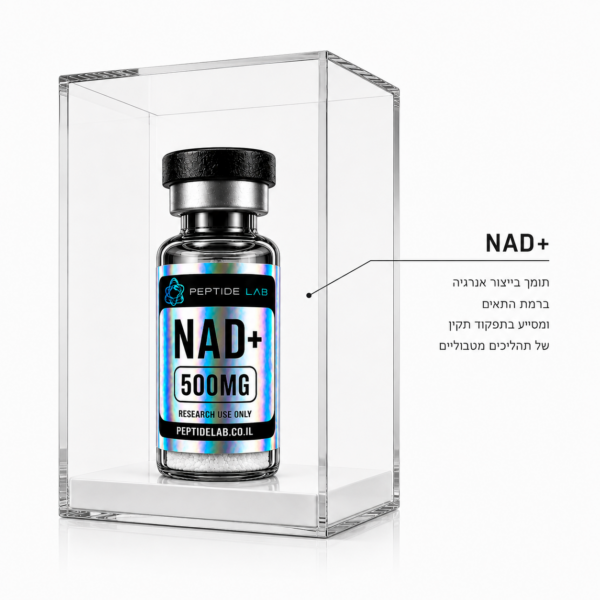
A central coenzyme in energy metabolism, DNA repair, and cellular signaling
Overview
The coenzyme NAD+ is not a peptide. Its full name is Nicotinamide Adenine Dinucleotide, and it is composed of two nucleotides linked to each other. It is appropriate to include it on the site among the research-molecule pages, but scientifically it should not be called 'the peptide NAD+'. NAD+ is found in all cells and participates in two main types of activity. The first is electron transfer in energy-production processes. NAD+ is the oxidized form, and when it accepts electrons and hydrogen it becomes NADH. The ratio between them affects glycolysis, the Krebs cycle, the respiratory chain, and additional metabolic pathways. The second role is the use of NAD+ as a substrate for enzymes. Among these enzymes are Sirtuins, PARP proteins involved in the response to DNA damage, and the enzyme CD38 that participates in cellular signaling and in the breakdown of NAD+. When the enzymes consume NAD+, the molecule serves not only as an electron carrier but is broken down as part of the biological reaction [1-3]. The research interest in NAD+ expanded following studies that linked NAD balance, mitochondrial function, inflammation, cellular stress, and aging. However, most of the strong findings on age-related decline and on improvement after raising NAD come from animals. The human data are more complex and depend on the tissue, the population, and the measurement method. (PubMed)
Biological Mechanism
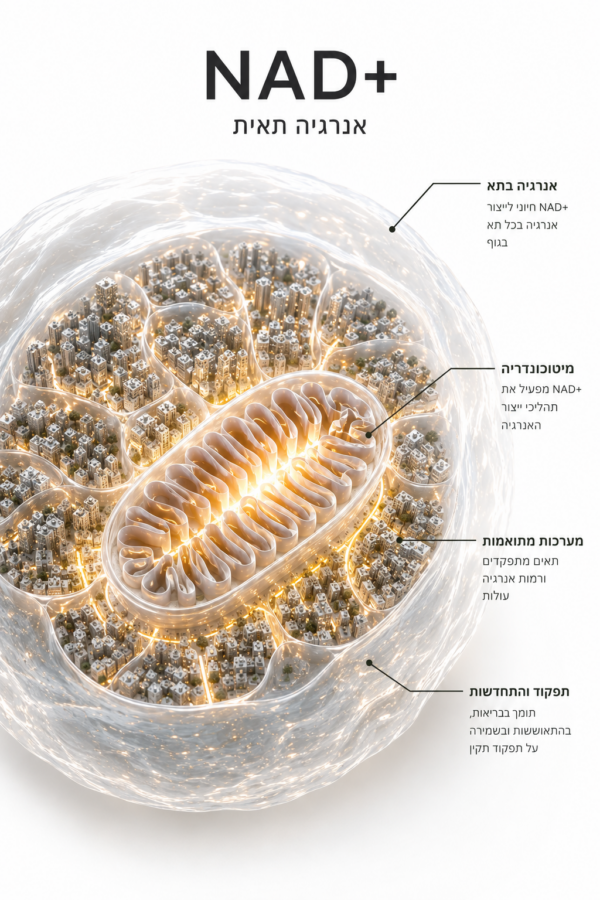
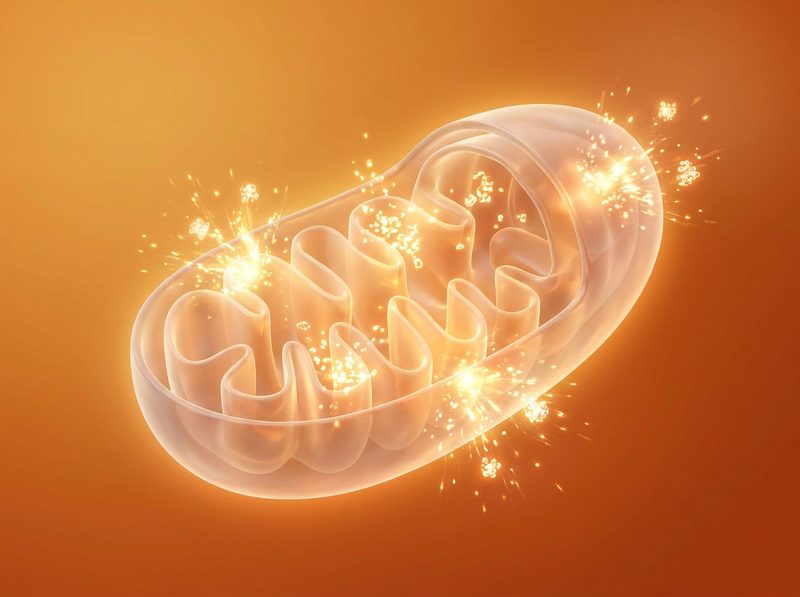
In energy-production processes, NAD+ accepts electrons from molecules that are broken down in the cell and becomes NADH. NADH can then transfer the electrons to the respiratory chain in the mitochondria, where they participate in creating a proton gradient and in producing ATP. This process does not mean that more NAD+ always leads to more energy. Mitochondrial activity also depends on oxygen, nutrient availability, enzyme function, the NAD+/NADH ratio, and the state of the cell as a whole [1]. The Sirtuins family uses NAD+ in deacetylation reactions that affect proteins related to metabolism, damage repair, and the stress response. PARP enzymes use it to create ADP-ribose chains as part of the response to DNA damage. The enzyme CD38 breaks down NAD+ and produces signaling molecules related, among other things, to calcium and to immune function [2,3]. In mouse studies it was found that CD38 activity increases with age and that it contributes to a decline in NAD levels in tissues and to changes in mitochondrial function. Another study proposed a link between the accumulation of senescent cells, the secretion of inflammatory signals, an increase in CD38-expressing macrophages, and a decline in NAD in the liver and adipose tissue [2,3]. This model provides a possible mechanism by which inflammation and cellular aging affect NAD balance. It does not prove that every older adult suffers from a systemic 'NAD+ deficiency', and it does not establish that artificially raising NAD will change the aging process as a whole. (PubMed)
Research Evidence
The preclinical evidence on the NAD system is broad and includes models of metabolism, muscle, brain, inflammation, and aging. In some models, raising NAD by means of precursors or reducing the activity of enzymes that consume it improved metabolic and functional measures. These results contributed to the development of human research, but they should not be regarded as proof of an identical effect in humans. The assumption that NAD+ levels decline uniformly with age in humans is also not fully established. Earlier studies reported a decline in some tissues and samples, but a study published in Nature Metabolism in 2026 measured NAD+ in whole blood in seven human cohorts and found that the levels remained relatively stable across age and across several lifestyle interventions. The researchers concluded that the whole-blood NAD+ level is not necessarily a good marker of aging [4]. This is not an absolute contradiction of the tissue studies in animals. Whole blood, muscle, liver, brain, and adipose tissue are different biological compartments. In addition, red blood cells contain a large metabolic pool that can mask changes occurring in other tissues. The finding sharpens the need to specify which tissue was measured and by which method, rather than speaking of 'the NAD level in the body' as though it were a single uniform number. (PubMed)
The Difference Between NAD+, NADH, NR and NMN
The discussion around NAD sometimes involves several different molecules. NADH is the reduced form of NAD+, while NR and NMN are precursors that the body can use in NAD-synthesis pathways. Despite the metabolic connection, these are not the same substance and do not have the same pharmacokinetics. In a randomized study in middle-aged and older adults, it was found that Nicotinamide Riboside, or NR, raised the blood NAD metabolome and was well tolerated during the study period [5]. In another controlled study in 12 older men, NR raised NAD-related metabolites in muscle, but did not improve the mitochondrial bioenergetics that were measured [6]. In a randomized study in postmenopausal women with prediabetes and overweight, it was found that NMN improved insulin sensitivity in muscle and certain signaling pathways. No parallel improvement was found across all glucose measures or across all organs [7]. These studies are important for understanding the NAD system, but they are not direct evidence for NAD+ infusion. A precursor that is ingested and metabolized in the gut, liver, and tissues is not equivalent to the NAD+ molecule located outside the cells. Even when two substances raise an NAD-related marker, they may differ in duration of activity, in distribution, and in functional outcomes. (PubMed)
Direct Evidence on IV NAD+
The direct literature on NAD+ infusion in humans is far more limited than the literature on NR and NMN. A pilot study from 2019 tracked NAD+ and its metabolites in plasma and urine during a prolonged infusion. Its aim was to describe metabolism and clearance, not to test treatment of aging, fatigue, cognition, or a specific disease [1]. During the first hours, no simple and immediate rise in plasma NAD+ was observed in proportion to the amount administered. Later, changes in NAD and related metabolites were observed, alongside urinary excretion. The findings suggest that part of the substance undergoes breakdown or rapid metabolism before it appears in the blood as an intact NAD+ molecule. The study was small and does not show which tissues the substance reached or whether a clinical benefit was produced [1]. A small retrospective study published in 2026 examined real-world data on NAD+ and NR infusions in a commercial setting. Among NAD+ recipients, gastrointestinal symptoms, increased heart rate, chest pressure, and discomfort during the infusion were documented. The study was not randomized, did not include a placebo, and relied on a small number of records, and therefore it provides preliminary information on tolerability and not proof of efficacy or a full safety profile [8]. (PubMed)
NAD+, Aging and Outcome Measures
Aging research cannot be satisfied with measuring NAD. Even when an intervention raises NAD+ in the blood or metabolites in muscle, it is still necessary to examine whether there has been a change in mitochondrial function, insulin sensitivity, strength, endurance, cognition, morbidity, or quality of life. Aging includes DNA damage, epigenetic changes, chronic inflammation, impaired communication between cells, changes in proteins, a decline in stem-cell function, and changes in mitochondria. NAD+ is connected to several of these axes, but does not by itself control the system. Therefore, describing it as an 'anti-aging molecule' extends the conclusions beyond the evidence. The direction of causality is also not always clear. A lower level of NAD in a diseased tissue may participate in the disease, but it may also be a result of inflammation, cellular damage, or a change in cell composition. Raising the marker does not guarantee that the primary cause has been corrected. (PubMed)
Safety, Sterility & Endotoxins
The safety assessment of an injectable NAD+ product is not limited to the identity of the molecule. A sterile product must meet requirements related to raw material, sterility, endotoxins, particulates, concentration, stability, and storage. Material intended for food or a supplement is not automatically suitable for preparing a sterile product. In October 2024, the FDA reported on the use of food-grade NAD+ raw material to prepare intravenous products. The agency received reports of severe chills, tremor, vomiting, and fatigue, with some patients requiring medical care. The reaction was described as consistent with exposure to high levels of endotoxins [9]. In a warning letter from January 2026, the FDA described an event in which three people were referred to the emergency room after receiving an NAD+ product from the same batch. In testing of a sealed vial, an endotoxin level of 3,360 EU per mL was found [10]. These events do not prove that every reaction to an NAD+ infusion is caused by endotoxins or that the molecule itself necessarily causes the same reaction. They demonstrate that a difference in the quality of the raw material and in production control can substantially change the risk, and that a contaminated product does not allow the safety of pure NAD+ to be assessed. (U.S. Food and Drug Administration)
Translation Limitations & Quality Metrics
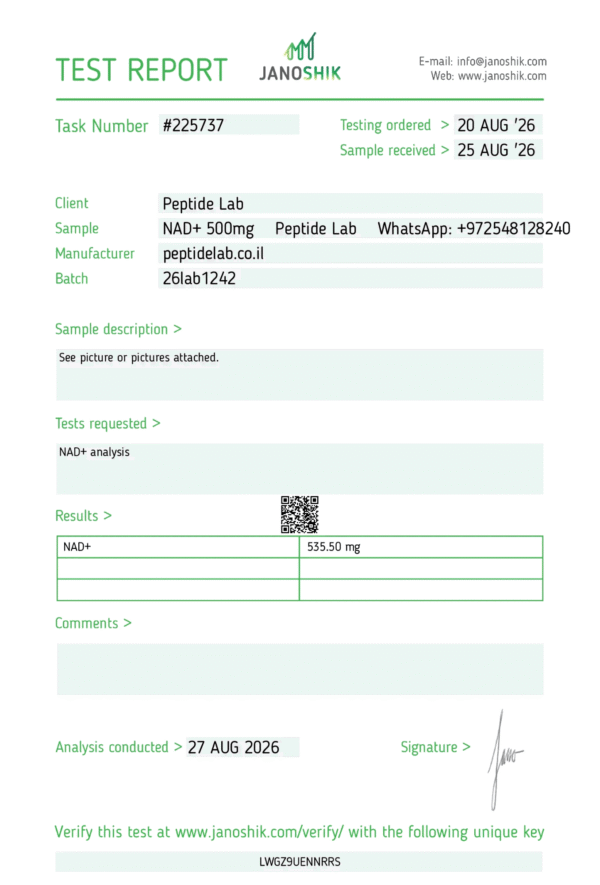
One of the main limitations in the field is the conflation of raising NAD with a medical effect. A study showing an increase in a metabolite after NR does not prove an improvement in function, and a study on NMN does not prove that an NAD+ infusion would produce the same result. Measurement in the blood also does not necessarily reflect the liver, the muscle, or the brain. An accurate description of the substance being tested is also required. NAD+ can undergo breakdown, hydrolysis, and oxidation, and its measurement is sensitive to the manner of sample collection, the time until freezing, and the laboratory method. A final product requires testing of identity, concentration, degradation products, sterility, and endotoxins. Future research on NAD+ itself should include a control group, blinding, functional outcomes, and safety monitoring. Without these components, it is difficult to separate genuine biochemical activity, an expectation response, the effect of the infusion fluids, and short-term changes that are not maintained.
Summary
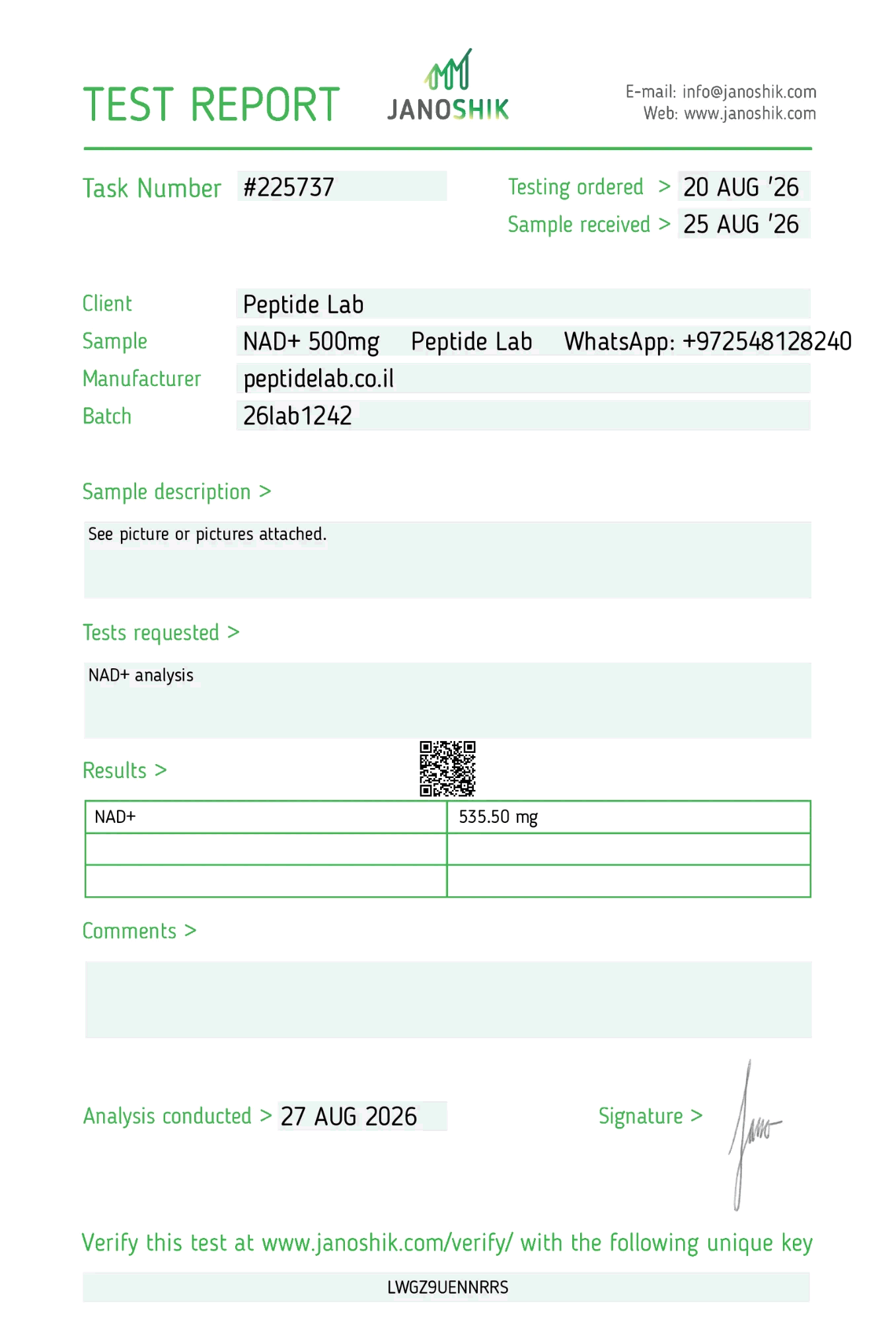
NAD+ is a central coenzyme in energy transfer, cellular signaling and the activity of enzymes involved in DNA repair and the stress response [1-3]. Studies link NAD levels, inflammation and aging, but the human data are inconsistent, and the direct evidence on infusion is limited to small studies alongside safety, sterility and endotoxin issues [2-10]. The substance is intended for laboratory research use only.
Selected Research Sources
- Grant R. et al. A Pilot Study Investigating Changes in the Human Plasma and Urine NAD+ Metabolome During a Six-Hour Intravenous Infusion of NAD+. Frontiers in Aging Neuroscience, 2019. PMID: 31572171
- Camacho-Pereira J. et al. CD38 Dictates Age-Related NAD Decline and Mitochondrial Dysfunction through an SIRT3-Dependent Mechanism. Cell Metabolism, 2016. PMID: 27304511
- Covarrubias A.J. et al. Senescent cells promote tissue NAD+ decline during ageing via the activation of CD38+ macrophages. Nature Metabolism, 2020. PMID: 33199924
- Trętowicz M.M. et al. Human whole-blood NAD+ levels do not vary with age or lifestyle interventions. Nature Metabolism, 2026. PMID: 42135539
- Martens C.R. et al. Chronic nicotinamide riboside supplementation is well tolerated and elevates NAD+ in healthy middle-aged and older adults. Nature Communications, 2018. PMID: 29599478
- Elhassan Y.S. et al. Nicotinamide Riboside Augments the Aged Human Skeletal Muscle NAD+ Metabolome and Induces Transcriptomic and Anti-inflammatory Signatures. Cell Reports, 2019. PMID: 31412242
- Yoshino M. et al. Nicotinamide mononucleotide increases muscle insulin sensitivity in prediabetic women. Science, 2021. PMID: 33888596
- Reyna K. et al. Intravenous infusion of nicotinamide adenine dinucleotide and nicotinamide riboside: a retrospective real-world pilot study. Frontiers in Aging, 2026. PMID: 41704678
- U.S. Food and Drug Administration. FDA Reminds Compounders to Use Ingredients Suitable for Sterile Compounding. 2024. FDA.gov
- U.S. Food and Drug Administration. Warning Letter to GenoGenix LLC. January 20, 2026. FDA.gov