
Accessories
Accessories and research supplies, including bacteriostatic water for reconstitution and dissolving substances. Intended for research use only.
Showing all 3 results
-
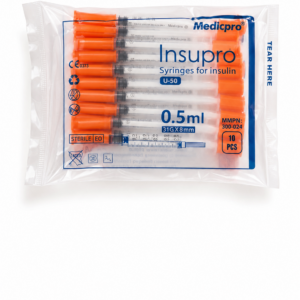
Pack of 10 Insulin Syringes
10.00 ₪ -
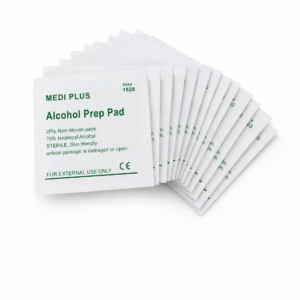
Pack of 50 Alcohol Pads
10.00 ₪ -
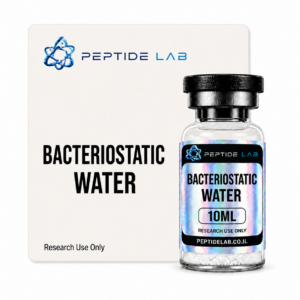
Bacteriostatic Water
99.00 ₪
Accessories and research supplies
Working properly with research peptides requires not only the compound itself, but also the right accessories. Proper reconstitution and preparation are a critical step, and mistakes here directly affect research results — both in terms of concentration accuracy and maintaining sterility.
bacteriostatic water
The most basic and important accessory is bacteriostatic water — sterile water that usually contains 0.9% benzyl alcohol as a preservative. The preservative is meant to delay bacterial growth after the vial is opened, which is why bacteriostatic water is especially suitable for reconstituting compounds that are used repeatedly over several days or weeks — unlike regular sterile water, which contains no preservative and is intended for single use.
Reconstitution and Dilution Calculation
Most research peptides arrive as a freeze-dried (lyophilized) powder, and before use they need to be "reconstituted" — dissolved in a solvent. The dilution ratio (amount of solvent to powder) determines the final concentration, so it's important to calculate it precisely. Proper work also includes suitable syringes (usually insulin syringes marked in units) and sterile technique — including wiping the vial stopper with alcohol before every draw. To make the calculation easier, we built Dilution calculator Free.
Common Mistakes and Storage
Common reconstitution mistakes include forcefully injecting the solvent directly onto the powder (it's better along the vial wall), aggressive shaking instead of gentle swirling, and miscalculating concentration — all of which can damage the compound or lead to an inaccurate dose. Regarding storage: unreconstituted powder generally keeps for a longer period than a reconstituted compound, so it's customary to reconstitute only the amount you plan to use soon. After reconstitution, refrigerated storage protected from light is recommended. More inCommon questions andbasic guide.
One last tip: it's worth labeling every reconstituted vial with the date and concentration, to track shelf life and avoid confusion. Proper inventory management — including recording when each compound was reconstituted — is part of proper research work and reduces the risk of errors. Combining the right accessories, sterile technique, and organized documentation is what distinguishes professional work from amateur work. A small investment in the right accessories and organization prevents costly mistakes later on, and creates a reliable, consistent foundation for every study.
Products are intended for research use only.